
Analysis
Consensus Is Sort of Like True Love
Ali Houshmand took Rowan University from five colleges to fifteen, and from no medical school to three.
Oct 6, 2026 · 5 min read
Analysis
The Critical Gap in College-to-Career Preparation

Picture this: After four years of late-night study sessions, countless exams, and tens of thousands of dollars in tuition, Emma stands in her cap and gown, diploma in hand, feeling a mix of pride and panic. Like many of her peers, she's about to face a harsh reality—despite her academic achievements, she has no real roadmap for translating her education into a fulfilling career. Emma's story is painfully common. According to the Federal Reserve Bank of New York, approximately 41% of recent college graduates work in positions that don't require their degree, a phenomenon known as "underemployment."
This isn't just a temporary setback—it's a trajectory-altering challenge that can echo throughout a graduate's entire career. Many educators and parents have witnessed this firsthand. Consider the case of a recent graduate who took a "temporary" retail job after graduation in 2022. Three years later, he's still struggling to break into his field of study. The statistics confirm his experience isn't unique: Research from the Strada Education Network shows that 73% of graduates who are underemployed in their first job remain underemployed five years later, and 55% remain underemployed even after ten years in the workforce. For students graduating in 2025's competitive job market, early preparation isn't just helpful—it's the difference between thriving and merely surviving.
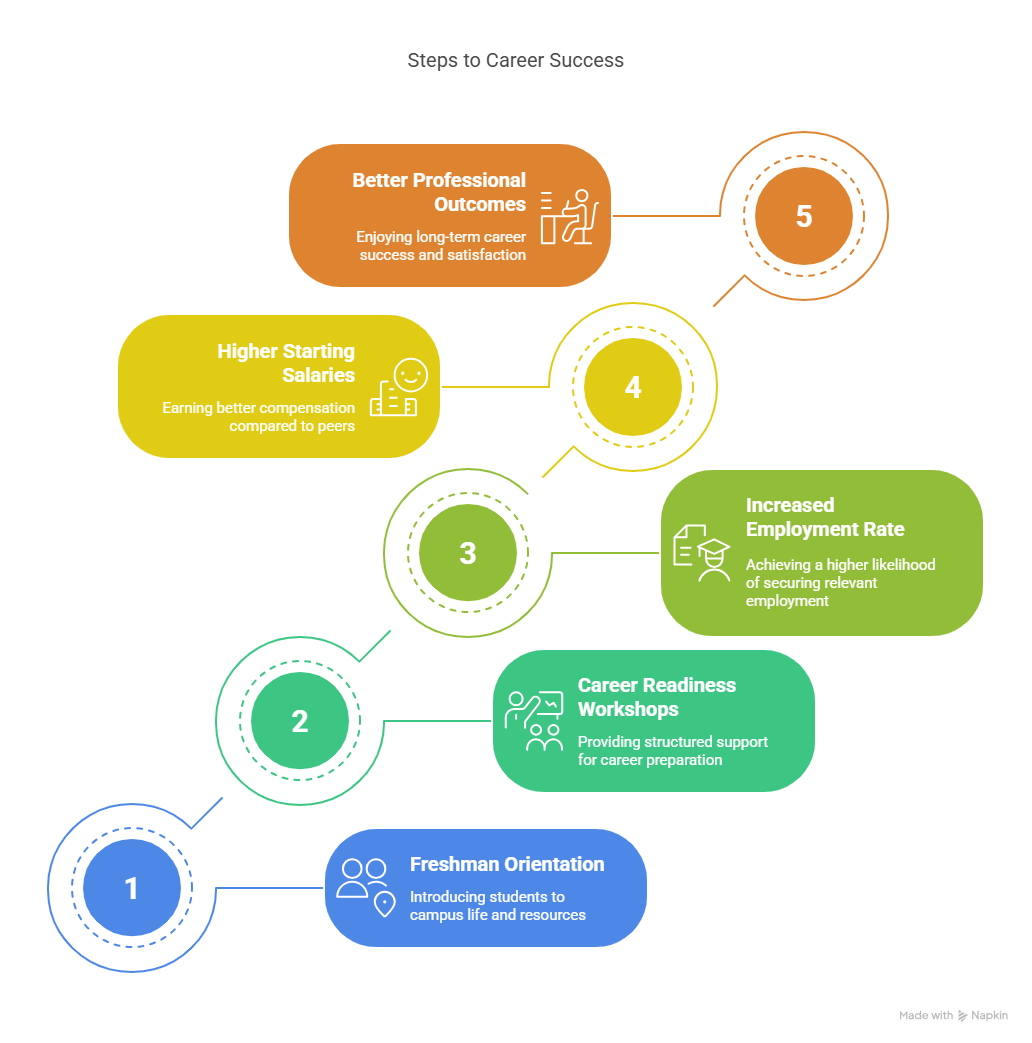
Many institutions already require freshman orientation to help students navigate campus life. Imagine extending this structured support to navigating life after campus. That's exactly what mandatory career readiness workshops provide—a guided transition when students need it most.
The evidence supporting such programs is compelling: According to the National Association of Colleges and Employers (NACE), students who participate in comprehensive career preparation programs are 34% more likely to secure employment aligned with their field of study within six months of graduation. Furthermore, these graduates report starting salaries approximately 18% higher than peers who didn't participate in similar programs. For educators and administrators, this represents a few months of structured preparation translating to years of better professional outcomes for graduates.
Several forward-thinking institutions have already recognized the value of this approach:
Wake Forest University implemented a comprehensive career readiness program called "College to Career" that begins in students' first year but intensifies in their final year with mandatory workshops. Their first-destination survey shows 98.5% of graduates were either employed or in graduate school within six months of graduation, significantly outperforming national averages.
The University of Cincinnati requires "Professional Pathways" workshops for all seniors, covering everything from resume building to salary negotiation. Since implementation, they've seen a 27% increase in the number of students securing positions in their field within three months of graduation.
Georgia State University's "Career Readiness Certification" program has reduced underemployment rates among their graduates by 22% in just four years of implementation.
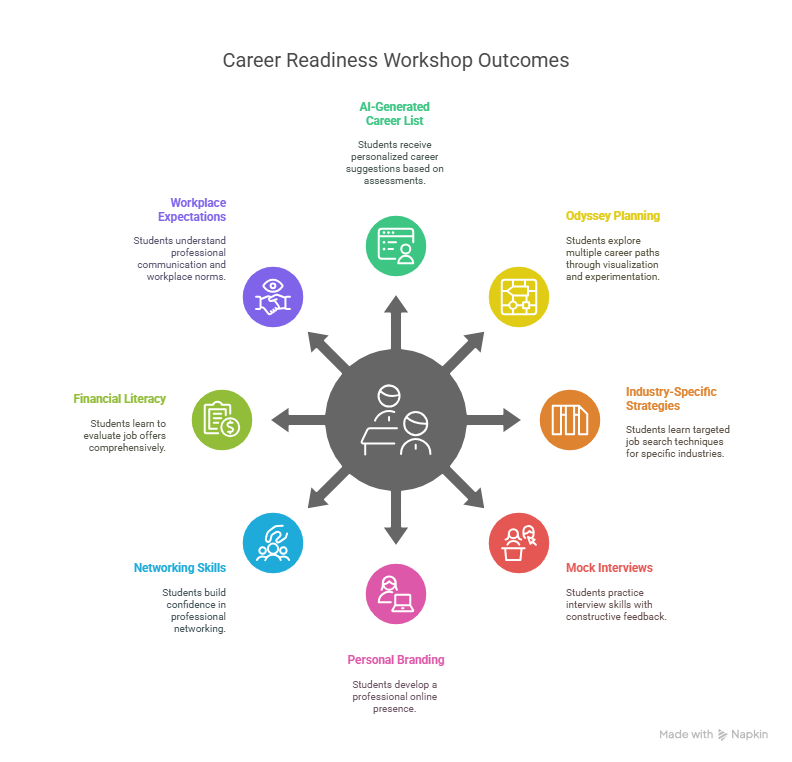
An effective "Campus to Career" workshop prepares students with practical skills for immediate application. It includes:
The class of 2025 will enter a job market marked by unprecedented change. Economic uncertainty, rapid technological advancement, and evolving workplace expectations make traditional job search methods increasingly obsolete.
Today's students face challenges that weren't present even five years ago, such as AI-powered applicant screening systems and the complexities of hybrid work environments. Mandatory career readiness workshops would equip graduates with adaptive strategies to navigate this landscape. Students would learn how to leverage AI tools in their job search, develop hybrid work competencies, and identify emerging opportunities in their fields—all crucial skills in today's job market.
For higher education institutions, the investment in mandatory career readiness programs yields significant returns:
For parents, these programs represent peace of mind that their substantial investment in their child's education will translate to career success. For students, the benefits are transformative—graduates like Emma can step confidently into their futures, prepared not just with knowledge, but with the skills to apply that knowledge in meaningful careers.
The evidence is clear: mandatory career readiness workshops represent a high-impact intervention that significantly improves graduate outcomes. By helping students bridge the gap between academic achievement and professional success, colleges and universities fulfill their ultimate promise: preparing students not just for graduation day, but for the careers that follow.
For higher education professionals: Consider implementing or expanding career readiness programs at your institution. The data shows these programs aren't just beneficial—they're essential to your student's success and your institution's reputation.
For parents: Ask prospective schools about their career preparation programs, and encourage your students to fully engage with these resources.
For students: If your school offers career readiness programs, prioritize them alongside your academic coursework. If they don't, advocate for these valuable resources. Your future self will thank you for the investment in your professional preparation today.
EdUp Editorials
This is where our team writes down what the conversations reveal. New editorials are published weekly.
More editorialsAnalysis
Ali Houshmand took Rowan University from five colleges to fifteen, and from no medical school to three.
Oct 6, 2026 · 5 min read
Analysis
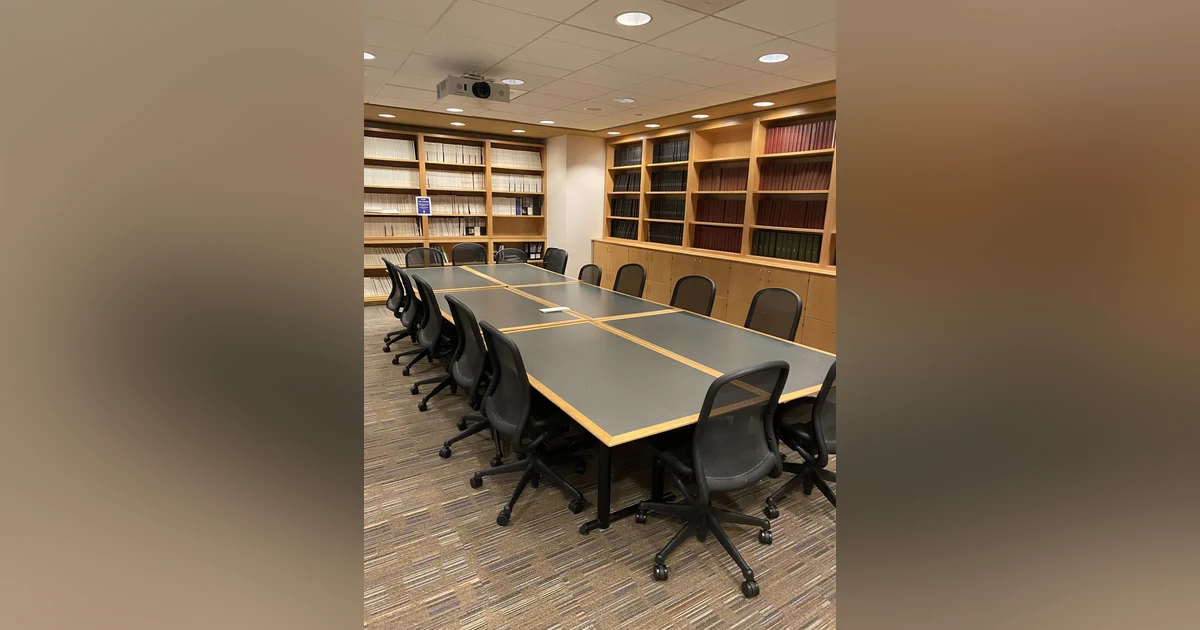
Colleges and universities continue to waste significant amounts of space, according to recently released results from the Inside Higher Ed/Hanover Research Survey of College and University Chief Business Officers.
Oct 1, 2026 · 6 min read
Analysis
Welcome back to EdUp Editorials! If you tuned into our latest live event, you know we took a deep dive into the complex, fascinating, and often invisible world of university administration.
Aug 4, 2026 · 7 min read